How Do You Improve Your Mental Health: 7 Sustainable Habits
Improving your mental health requires a consistent commitment to small, sustainable lifestyle adjustments that prioritize physical well-being, emotional regulation, and social connection. By integrating structured habits into your daily routine, you can build resilience against stressors and foster a more stable, positive internal environment.
Key Takeaways
- Establish a consistent sleep schedule to regulate your mood and cognitive function.
- Prioritize physical movement for at least 20 minutes daily to boost endorphin production.
- Limit social media consumption to reduce exposure to anxiety-inducing content.
- Practice mindfulness or deep breathing exercises to manage acute stress responses.
- Seek professional guidance if symptoms persist or interfere with your daily life.
Evidence-Based Methods for Better Health
Mental health isn’t a static state but a dynamic process influenced by your environment and biology. Scientific consensus suggests that a holistic approach is most effective for long-term stability. According to the National Institute of Mental Health, maintaining a balance between physical activity and social interaction is essential for sustaining psychological well-being.
| Method | Target Area | Frequency |
|---|---|---|
| Aerobic Exercise | Physiological Stress | 3-5 times weekly |
| Journaling | Emotional Processing | Daily or as needed |
| Sleep Hygiene | Cognitive Recovery | Every night |
| Social Outreach | Isolation Mitigation | Weekly engagement |
How to Improve Your Mental Health
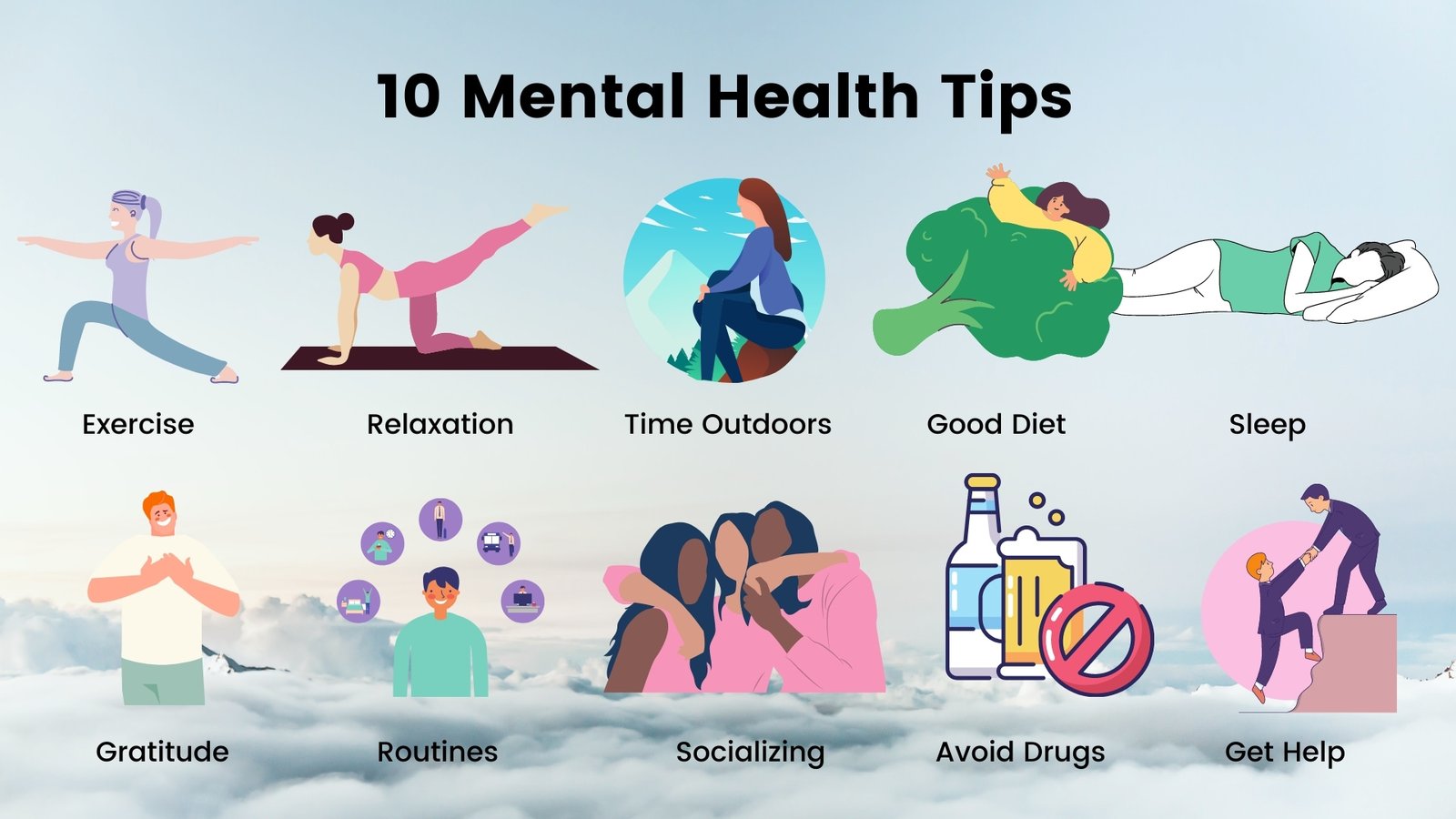
You can improve your mental health by focusing on the “Big Three”: sleep, nutrition, and activity. These pillars regulate your hormones and neurotransmitters, which dictate your baseline mood.
Prioritizing Restorative Sleep
Sleep deprivation acts as a primary trigger for irritability and cognitive decline. Aim for 7 to 9 hours of quality sleep by keeping your bedroom dark, cool, and free from electronic devices. Consistent sleep cycles are vital for emotional regulation and memory consolidation.
Nourishing Your Brain
Your brain requires specific nutrients to function optimally. Focus on a diet rich in omega-3 fatty acids, complex carbohydrates, and lean proteins. Avoid excessive caffeine and processed sugars, which can lead to energy crashes and heightened anxiety. Balanced nutritional intake provides the chemical building blocks necessary for mood stability.
Exercises for Mental Clarity
Photo: wearefoundations.org on Google
Physical movement is one of the most effective ways to process built-up tension. You don’t need to train like an athlete to reap the benefits; moderate, rhythmic movement is often superior for stress reduction.
- Walking in nature or local parks.
- Swimming laps at a community pool.
- Practicing yoga using apps like Down Dog.
- Engaging in bodyweight strength training.
Structured physical activity serves as a natural antidepressant by stimulating the release of dopamine and serotonin.
Managing Your Daily Environment
Your physical space significantly impacts your mental state. Clutter and noise can create subconscious stress, while intentional design can promote calm.
| Strategy | Action Item | Expected Benefit |
|---|---|---|
| Decluttering | Clear your workspace | Increased focus |
| Lighting | Use warm, soft lamps | Reduced eye strain |
| Greenery | Add indoor house plants | Improved air quality |
| Boundaries | Set “no-phone” zones | Decreased stimulation |
Intentional environmental design allows your home to function as a sanctuary rather than a source of chaos.
Navigating Digital Stressors
Modern connectivity often leads to information overload and social comparison. To maintain your mental health, you must become a gatekeeper of your own digital intake.
- Disable non-essential push notifications.
- Unfollow accounts that trigger negative emotions.
- Set a hard stop time for screen use.
- Curate your feed to include educational content.
Warning: Excessive screen time late at night can disrupt your circadian rhythm and prevent deep, restorative sleep.
Building Stronger Social Connections
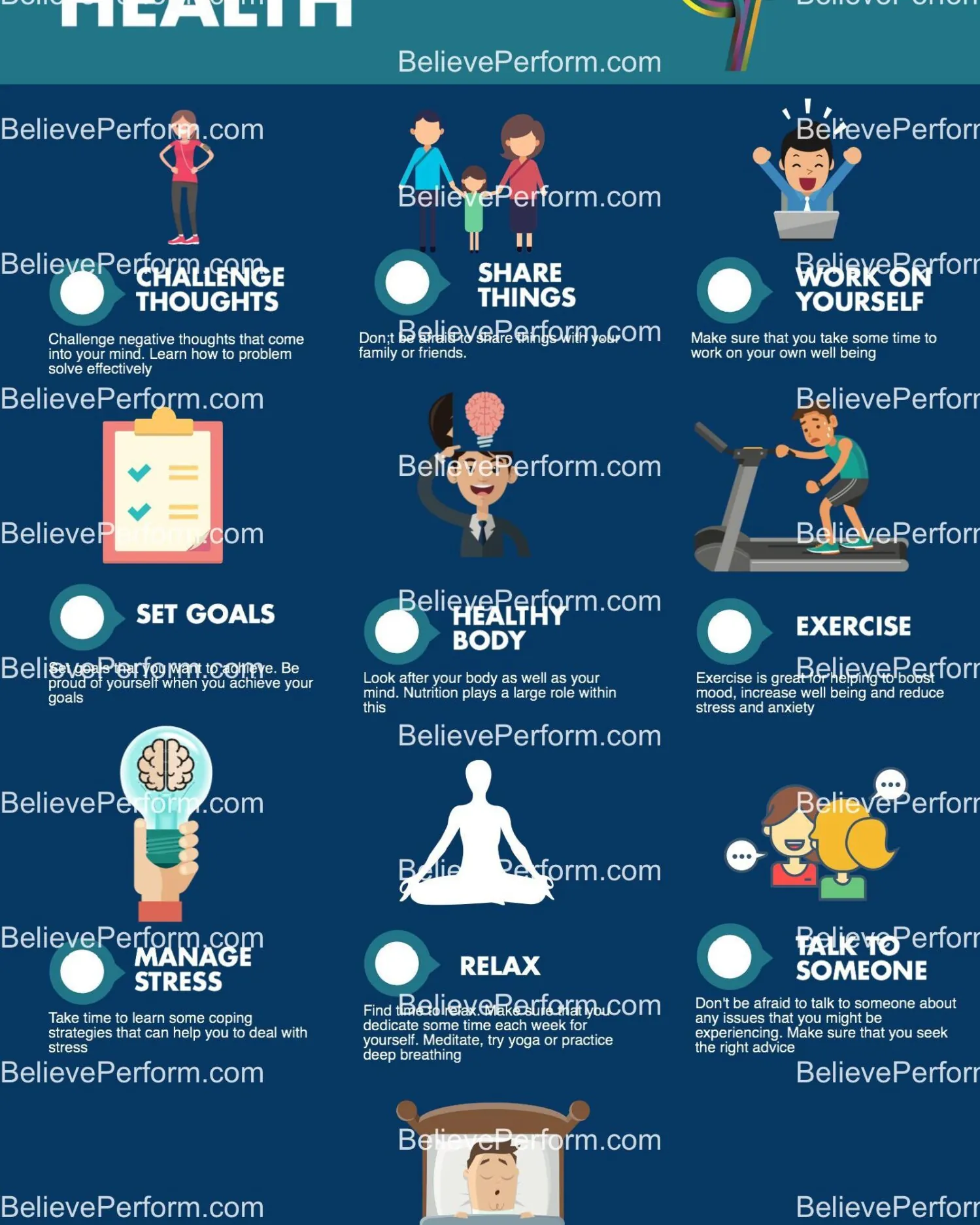
Humans are inherently social creatures, and isolation is a significant risk factor for mental health struggles. Proactive social engagement can act as a buffer against life’s challenges.
- Join local hobby clubs or interest groups.
- Schedule recurring video calls with friends.
- Volunteer for a cause you support.
- Attend community events in your neighborhood.
Meaningful social interaction provides a sense of belonging and perspective that’s difficult to replicate through solitary activities.
Frequently Asked Questions
Can I improve my health alone?
Many people can significantly improve their mental well-being through self-help strategies like exercise, journaling, and sleep hygiene. However, these methods are meant to be supportive. If you find that your symptoms are severe, persistent, or preventing you from functioning in your daily life, self-help may not be enough. In those instances, consulting a licensed therapist or physician is the most effective way to address your specific needs.
How long does it take?
There’s no fixed timeline for mental health improvement, as it depends on your individual circumstances and the nature of your challenges. Some people notice a shift in their mood within 2 to 4 weeks of adopting consistent healthy habits. For others, the process is slower and requires more nuanced work. Patience is key; view mental health as a lifelong practice rather than a project with a deadline.
When should I see a doctor?
You should consider seeking professional help if you experience prolonged sadness, significant changes in your sleep or appetite, difficulty concentrating, or feelings of hopelessness. Additionally, if your mental health is affecting your relationships, job performance, or physical health, a doctor can provide an objective assessment. They can help rule out underlying medical issues and guide you toward appropriate therapeutic or pharmaceutical interventions if necessary.
Are supplements worth the cost?
Some supplements, such as magnesium, vitamin D, or omega-3 fatty acids, may support general brain health. However, they aren’t a substitute for a balanced diet or professional medical care. Before starting any supplement regimen, consult your primary care physician. They can help you determine if you have a deficiency and ensure that any supplements you take don’t interact negatively with your current medications or health conditions.
Is meditation actually useful?
Meditation is a proven tool for reducing the physiological markers of stress, such as elevated cortisol levels. By practicing mindfulness, you train your brain to observe thoughts without immediately reacting to them. This creates a “space” between a stressor and your response, allowing for more rational decision-making. Starting with just 5 to 10 minutes a day can lead to measurable improvements in your ability to remain calm under pressure.