Why Is Reading Good for Your Brain? Science-Backed Benefits
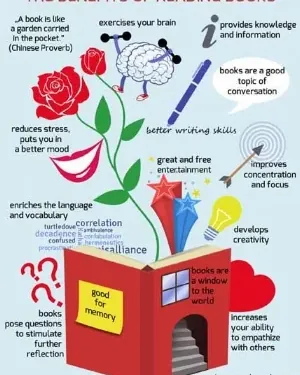
Reading helps your brain because it strengthens neural pathways and improves cognitive reserve, which keeps mental functions sharp as you age. This process works like exercise for your mind, where focus and imagination force the brain to build new connections between different processing areas.
How reading affects brain function

| Part or process | What it does | What you notice when it fails |
|---|---|---|
| Visual cortex | Decodes written symbols | Words look blurry or scrambled |
| Language centers | Processes meaning and grammar | Difficulty finding the right words |
| Memory systems | Stores narrative and facts | Forgetting plot points quickly |
| Attention span | Maintains focus on text | Mind wanders after one paragraph |
| Neural plasticity | Builds new brain connections | Feeling mentally sluggish or tired |
You can check your own progress by tracking how long you remain engaged with a text before feeling distracted. If you find your attention slipping after five minutes, your brain is signaling that it needs more practice with sustained focus.
Steps for better brain health
- Choose a book that matches your current interest level; picking a topic you enjoy keeps your brain active for 20 to 30 minutes at a time.
- Find a quiet space without digital screens, as notifications force your brain to switch tasks, which breaks the deep focus needed for neural growth.
- Read at a steady pace for 15 minutes daily, which provides enough stimulation to keep your language centers and memory systems working without causing fatigue.
- Stop when you feel your eyes straining or your mind wandering, as pushing past this point leads to lower comprehension and less benefit for your brain.
- Reflect on the story or facts for 5 minutes after finishing a chapter, which helps the brain move new information into long-term storage areas.
- Increase your reading time by 5 minutes every week if you feel comfortable, but avoid exceeding 60 minutes if you notice your recall starts dropping.
Why reading keeps you sharp
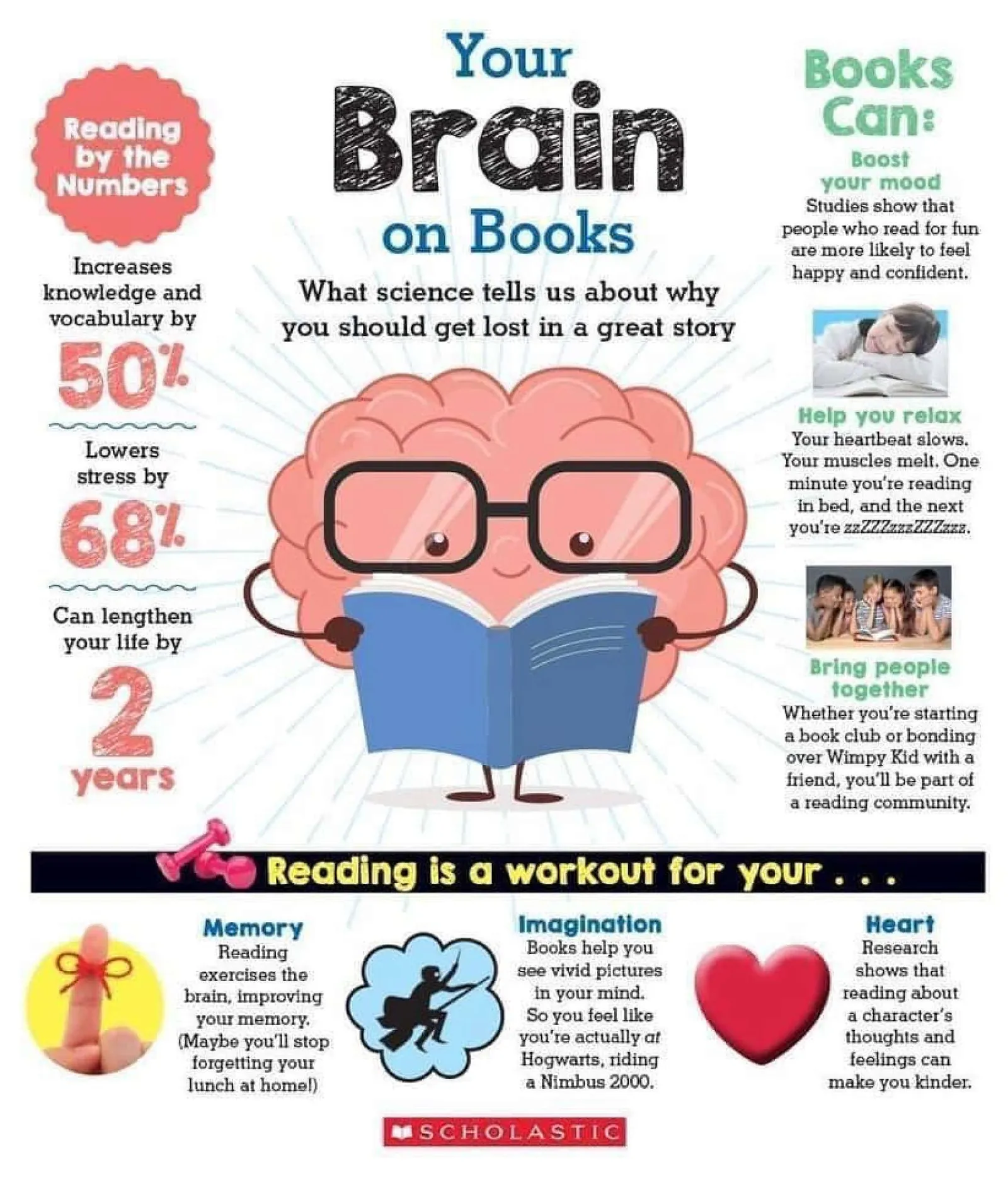
The primary reason reading changes brain structure is the demand it places on your working memory and visual processing. Unlike watching a video, reading requires your brain to construct images and sounds from static symbols. This active construction engages the prefrontal cortex, which is responsible for complex planning and decision-making.
If you read consistently, you build a stronger cognitive reserve that helps protect your mental agility over time. If you notice you’re struggling to follow simple plots, it may mean you need to start with shorter, simpler texts before building back up to complex ones.
What you can change and what you cannot
Things you control
- The amount of time you spend reading each day.
- The complexity of the books you choose to read.
- The environment where you do your reading practice.
- The effort you put into recalling details after reading.
Things fixed by design
- Your baseline processing speed for new information.
- The natural rate at which your brain ages.
- The way your specific brain categorizes new language.
If you experience sudden, severe memory loss or a complete inability to read words you once knew, these aren’t signs of needing more practice. You should consult a medical professional, as these changes may indicate a health issue that requires clinical testing.
Getting more out of it
Use these habits to ensure your reading remains an effective workout for your brain. First, read physical books or e-readers with non-glare screens to reduce eye strain, which allows for longer sessions.
If you have a busy schedule, read for 10 minutes before bed. This helps your brain transition away from daily stressors. If you wake up feeling groggy, move your reading time to your morning commute instead.
If you find a book boring, stop reading it immediately. Engagement is the fuel that drives neural activity. If you’re reading for professional development, force yourself to finish only if the material contains a specific, actionable framework you need. Otherwise, you’re wasting cognitive bandwidth on low-value content.
Finally, read aloud occasionally to engage your auditory processing alongside your visual centers. This dual-track approach forces your brain to slow down and process complex arguments with greater precision.