The 7 Best Real Estate Investment Books for Every Investor
Some of the links below are Amazon affiliate links. As an Amazon Associate we earn from qualifying purchases, at no additional cost to you.
What you’re really choosing between here is focus: books that teach the money side of investing, books that teach you to buy and manage rentals, and one that teaches trading stocks instead. The split comes down to whether you want broad wealth-building or a specific real estate playbook.
Best overall: The Buy Hold Real Estate — its title is devoted entirely to buy and hold rental investing, making it the most focused rental title here. Best for first-time buyers: The Millionaire Real Estate — a broad real estate investing title rather than a narrow tactic book. Best for fewer moving parts: The Bogleheads’ Guide to Investing — it skips property entirely and keeps investing simple.
The rest of the guide is for readers who want the details: what each book covers, who it suits, and where it falls short.
How We Picked
We compared seven Amazon listings, all books about investing. To earn a place, a listing had to state clearly what the book teaches and who it’s for — the topic, the approach, and the audience in the title itself. Anything vague, or aimed at a different kind of investing than the reader asked about, was dropped. What’s left is a mix of general investing guides and real estate playbooks.
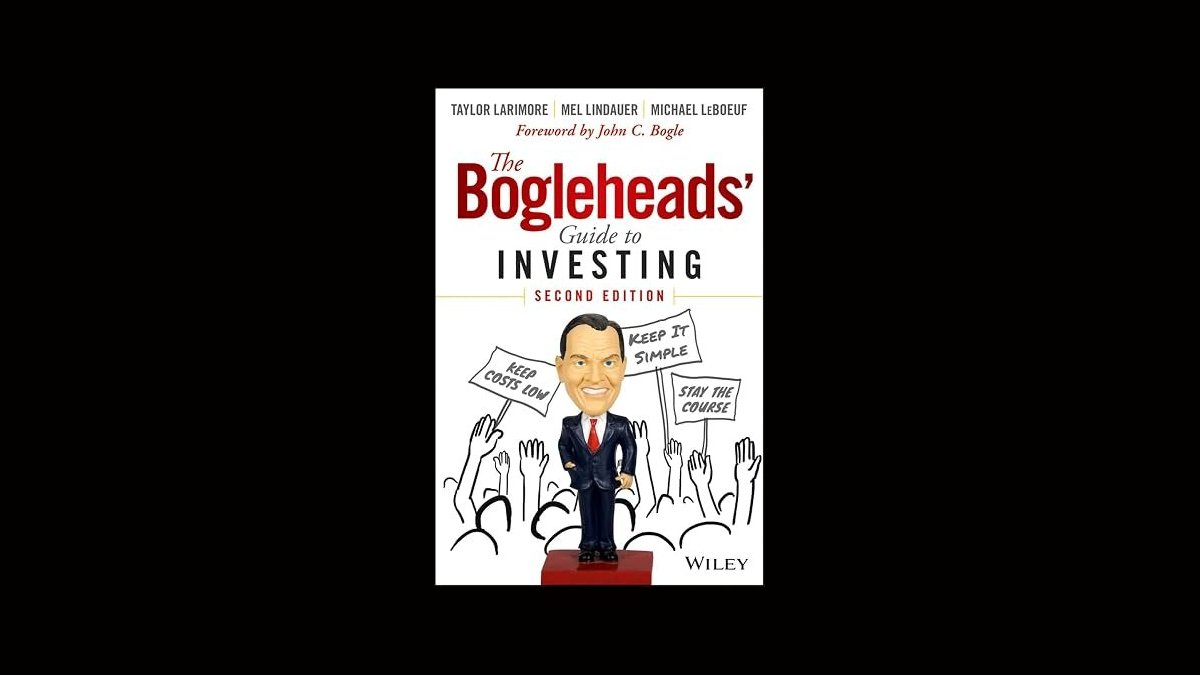
1. The Bogleheads’ Guide to Investing

Best for: hands-off investors who want simplicity
This one isn’t a real estate book — it’s a general guide to investing, which is exactly what its title says. That’s its strength and its limit. If you want a calm framework for all your money, it delivers; if you want landlord tactics, it won’t give you any.
For a reader deciding whether property is even right for them, a general investing guide is a sensible place to start. It suits someone who’d rather own funds than fix a boiler.
Pros
- Covers broad, long-term investing principles
- Good foundation before any property purchase
- Well-known, established investing approach
Cons
- Not a real estate book
2. The Buy Hold Real Estate

Best for: readers who want rental income
The full title says it plainly: creating wealth with intelligent buy and hold real estate investing, and it’s part of the BiggerPockets Rental Kit. That tells you it’s aimed at people who want to buy property, keep it, and collect rent for years. It’s the most complete rental-focused title on this list.
If you plan to be a landlord, this is the one to start with. If you only want theory or stock-market ideas, look elsewhere.
3. The ABCs Real Estate

Best for: beginners learning deal analysis
The subtitle is the hook: the secrets of finding hidden profits most investors miss. That positions this book around spotting value in properties that others overlook — the analysis side of investing rather than the day-to-day management side. It’s a beginner-friendly entry point by design, with “ABCs” in the title.
The trade-off is focus. A reader who wants to learn how to evaluate a deal before buying will get more from this than from a broad overview, but someone looking for tenant management or financing tricks will need a second book alongside it.
Pros
- Beginner-friendly by design
- Focuses on finding hidden profits
- Teaches deal-spotting skills
Cons
- Narrower than a full course
- Analysis focus, not management
4. The Millionaire Real Estate Investor

Best for: readers building from zero
This is the broadest real estate title here. Its subject is the investor himself — building wealth through property as a long-term career rather than chasing a single trick. It’s less about one trick and more about the whole career of investing.
That breadth is why we named it for first-time buyers. It answers the “can I actually do this?” Question before the “which house?” Question. The flip side: a reader who already owns a property and wants advanced tactics may find it covers ground they’ve walked.
Pros
- Covers the full investing mindset
- Suits complete beginners
Cons
- Less tactical than others
- Long scope for impatient readers
5. The Millionaire Real Estate

Best for: agents, not property investors
Here’s the one to watch. The full title is The Millionaire Real Estate Agent — it’s about earning as an agent, not investing as an owner. The listing says so itself: “It’s Not About the Money, It’s About Being the Best You Can Be.” For a licensed agent or someone considering that career, it’s likely excellent.
For a reader hunting the best real estate investment books, though, it’s the wrong shelf. Buying rentals and selling houses for commission are different jobs. If you’re an investor, pick another title here; if you sell real estate, this is your book.
Pros
- Deep focus on agent careers
- Clear professional positioning
Cons
- Not about investing at all
- Wrong fit for rental buyers
6. How to Day Trade

Best for: stock traders, not property buyers
The title is honest again: a beginner’s guide to day trading tools, tactics, money management, discipline, and trading psychology. That’s stock-market trading, sitting at a screen, in and out of positions the same day. Nothing in the title connects it to property.
We included it because it appeared in the same search, and it’s worth naming the difference clearly. Day trading is active, fast, and demanding; buy and hold real estate is slow and patient. If you want property, skip this. If you’re still deciding between markets, it covers psychology and money management that apply anywhere.
Pros
- Strong on discipline and psychology
- Covers money management explicitly
- Written for beginners
Cons
- Not a real estate book
7. The Book Investing Real Estate

Best for: investors short on cash
The subtitle carries the promise: creative strategies for investing in real estate using other people’s money, with no and low money down. It’s the first book in the BiggerPockets Rental Kit, sitting alongside The Buy Hold Real Estate. Where that one assumes you can fund a purchase, this one starts from the opposite problem.
That makes it the pick for readers whose obstacle is capital, not knowledge. The honest tradeoff: creative financing usually means more complexity, more negotiation, and more risk than a straightforward purchase — the listing’s own “creative strategies” wording signals that. Pair it with the rental book if you can.
Pros
- Solves the down-payment problem
- Same BiggerPockets Rental Kit series
- Covers multiple creative strategies
Cons
- Creative deals carry more risk
How to Choose in Sixty Seconds
Which book actually matches my goal?
Match the book to the job. Want rental income? The Buy Hold Real Estate and The Book Investing Real Estate cover owning property, with the second aimed at low-cash starts. Want general wealth building? The Bogleheads’ Guide. Want a career selling property? The Millionaire Real Estate Agent — it’s not an investing book.
What should I skip?
Skip anything that doesn’t match your plans for the year ahead. If you have no down payment saved, a book assuming funded purchases will frustrate you — start with the no-money-down title instead. And if you already know you want property, skip the stock-trading and agent-career books entirely.
What should I confirm before ordering?
Check the full title, not the short one. Two books here share the word “Millionaire,” but one trains investors and one trains agents. Also check which series a book belongs to — the two BiggerPockets titles are numbered volumes of one kit, so reading them in order makes sense.
Frequently Asked Questions
Do I need money saved before these books help me?
Not to read them, but to act. Most titles assume a purchase at some point. The Book Investing Real Estate is the exception — its whole subject is buying with no or low money down using other people’s money. Start there if capital is your blocker, and expect more complex deals in return.
What goes wrong first for new investors?
The most common first failure is buying the wrong book for the goal — an agent-career title when you wanted investing, or a trading guide when you wanted property. The second is skipping deal analysis. The ABCs Real Estate exists precisely because new investors miss profits that better analysis would find.
Is the simplest book on the list enough?
The Bogleheads’ Guide is the simplest approach: straightforward, long-term investing without property. For many readers it genuinely is enough, because it covers the whole portfolio rather than one asset class. It’s only “not enough” if you’ve already decided you want to own and manage real estate yourself.