The 7 Best Horror Books of All Time and What Makes Each One Scary
As an Amazon Associate, we earn from qualifying purchases. This post contains affiliate links, and buying through one costs you nothing extra.
You’re picking between seven horror books, from short shockers to long, slow-burn classics. What separates them isn’t quality — it’s the kind of scare you want. Some go for quiet dread, some for full-on terror, and one works like a puzzle you have to solve.
Best overall: ‘Salem’s Lot — King’s vampire novel is a landmark, and its title promises a whole town under threat.
Best for first-time horror readers: Hidden Pictures — a modern, accessible pick if you want chills without a heavy classic.
Best for a serious challenge: House of Leaves — its strange, layered format makes it the hardest read here, and the most rewarding for some.
The rest of this guide is for readers who already know they like horror and want to see which of these seven fits their taste.
How We Picked the Best Horror Books of All Time
This guide covers seven horror books, from long-standing classics to newer titles. Each listing had to give a clear title and identify the book properly — author style, series, or subtitle. We favored books whose listings say plainly what kind of horror they deliver, whether supernatural, psychological, or crime-tinged. Titles with vague or misleading descriptions were left off.
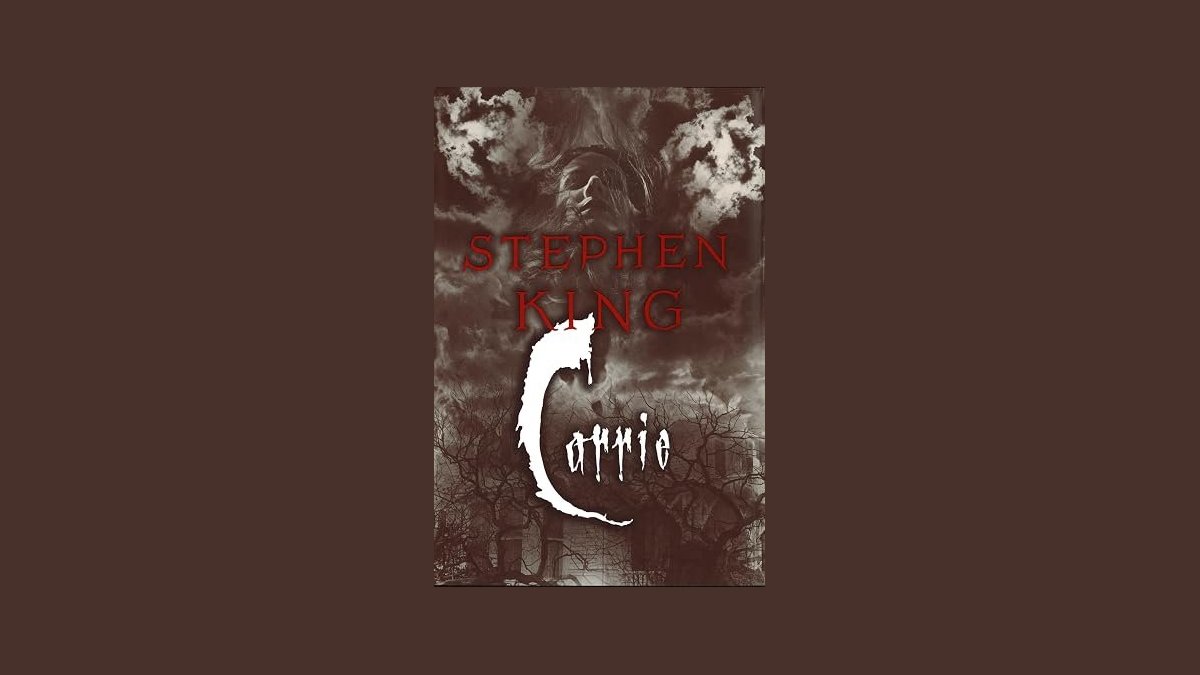
1. Carrie

Best for: readers who want a fast, brutal classic
Carrie is the title the listing gives, and it’s one of the best-known names in horror. A story about a bullied girl with destructive power, it’s known as a short, sharp read compared with longer horror epics.
That reputation matters in practice: starting with a famous, widely discussed title is a good test of whether King’s style works for you before you commit to more of his books. If you want slow, creeping dread, this isn’t it — the power here is speed and impact.
Pros
- King’s debut novel
- Short, intense read
- Famous, widely discussed story
Cons
- A brief book, not sprawling
2. Hidden Pictures

Best for: readers new to modern horror
Hidden Pictures is the newest-sounding title on this list, and its listing presents it as a straightforward modern horror novel. For a first step into the genre, that matters — no decades of baggage, no expectations from film adaptations.
The trade-off is history. The classics here built the genre; a newer title can’t offer that weight, and readers who want the “greatest of all time” canon may find it less essential. But for someone who wants a current, readable chiller, it’s a sensible starting point.
Pros
- Modern, accessible horror
- Good entry point
- No adaptation baggage
Cons
- Less canonical than the classics
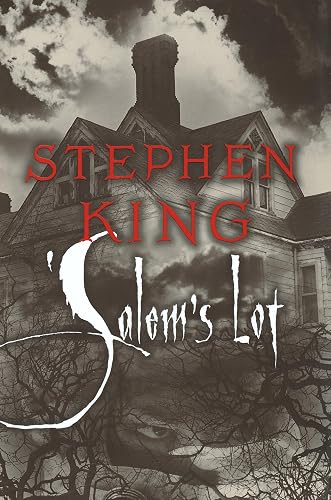
3. ‘Salem’s Lot
Best for: readers who want slow-building dread
It’s widely treated as one of the essential horror novels, and its premise — an entire town slowly falling to darkness — is one of the most memorable in the genre.
It’s a longer, slower book than Carrie. That’s the trade: you spend real time with the town before the horror lands, which is exactly why the payoff works. If you want a quick scare, look elsewhere; if you want dread that builds over days of reading, this is the pick.
Pros
- Landmark vampire novel
- Strong small-town atmosphere
- Dread builds gradually
Cons
- Slow start by design
4. The Terrifying Classic American Horror

Best for: readers who want intense supernatural terror
The Exorcist: A Terrifying Classic of American Horror announces its intent in its own subtitle. It’s one of the most famous horror novels ever written, and its reputation for intensity is the reason it endures.
Be honest with yourself before ordering. It’s a classic for a reason, but it’s a demanding kind of classic — not casual bedtime reading.
Pros
- Genuinely famous horror classic
- Intense, serious horror
- Enduring reputation
Cons
- Disturbing content throughout
5. House of Leaves

Best for: patient readers who like puzzles
House of Leaves is the strangest book on this list. Its reputation rests on an unusual physical format — footnotes, layered text, and pages you have to turn and decode — so the reading experience is part of the horror itself.
That format is also the filter. If you want a story that flows from page one, this will frustrate you quickly. If you enjoy a book that makes you work, and horror that lives in confusion and unease, this delivers that experience. It’s the pick for readers who want horror as an experience, not just a plot.
Pros
- Unique reading format
- Deeply unsettling
- Nothing else like it
Cons
- Demanding, slow to read
6. Night Shift

Best for: readers with limited reading time
Night Shift is the pick for readers who want a different shape of read than the single-narrative titles above — check the listing’s description to confirm the format before ordering.
The trade-off is depth. Short stories hit fast and end fast, so you get variety but not the slow character-building of a full novel. For sampling King’s range, or for horror in small doses, it’s the practical choice on this list.
Pros
- Stories read in one sitting
- Wide variety of horror
- Easy to pick up and pause
Cons
- Less depth than a novel
7. The Wife: Chilling Psychological Horror

Best for: thriller readers crossing into horror
The Silent Wife is a psychological horror novel and the tenth book in the Will Trent series, per its own subtitle, and its serial-killer premise puts it closer to crime territory than the supernatural picks above.
The series connection cuts both ways. If you’ve read Karin Slaughter’s earlier Will Trent books, this is a natural next step. If you haven’t, starting at book ten may leave you missing context from earlier installments. Readers who want ghosts or demons should look higher up this list instead.
Pros
- Psychological, grounded scares
- Part of a proven series
- Investigative, plot-driven read
Cons
- Tenth in a series
How to Choose in Sixty Seconds
Classic or modern horror — which matters more?
The classics here — Carrie, ‘Salem’s Lot, The Exorcist, House of Leaves — carry the genre’s history and long-established reputations. Hidden Pictures and The Silent Wife are newer and easier to walk into. If you want the canon, pick a classic; if you want a fresh, current read, pick one of the newer two.
What should I skip if I’m a cautious reader?
Skip The Exorcist if disturbing possession content isn’t for you — its own subtitle warns what it is. Skip The Silent Wife if you haven’t read the earlier Will Trent books, since it’s number ten in the series. House of Leaves is skippable too if you want a book that reads straight through.
What should I confirm before ordering?
Check that you’re happy with the format and the series position. The Silent Wife is book ten of Will Trent, so decide whether to start the series earlier. House of Leaves has a reputation for reading unlike any normal novel, so be sure you want that. Everything else here is a standard standalone read.
Frequently Asked Questions
Do I need to read these in any order?
The listing for The Silent Wife flags a series position, so check each description yourself before treating a title as a standalone. The only exception is The Silent Wife, which is the tenth Will Trent book. For that one, starting with the first in the series will give you the character background.
What goes wrong first for most buyers?
Mismatched expectations. Readers order The Exorcist or House of Leaves on reputation, then find the intensity or the format harder than they expected. The fix is simple: match the book to the kind of horror you actually want — fast scares, slow dread, or puzzle-like unease — before you click buy.
Is the simplest one on the list enough?
Yes, for most readers. Carrie is short, famous, and self-contained, and it tells you quickly whether King’s horror works for you. If it does, ‘Salem’s Lot and Night Shift are the natural next steps by the same author. If it doesn’t, you’ve lost little time — and can try Hidden Pictures instead.