5 Best Real Estate Books for Beginners and How to Pick One
We take part in the Amazon Associates programme. When you buy through a link on this page, we may earn a commission — your price stays the same.
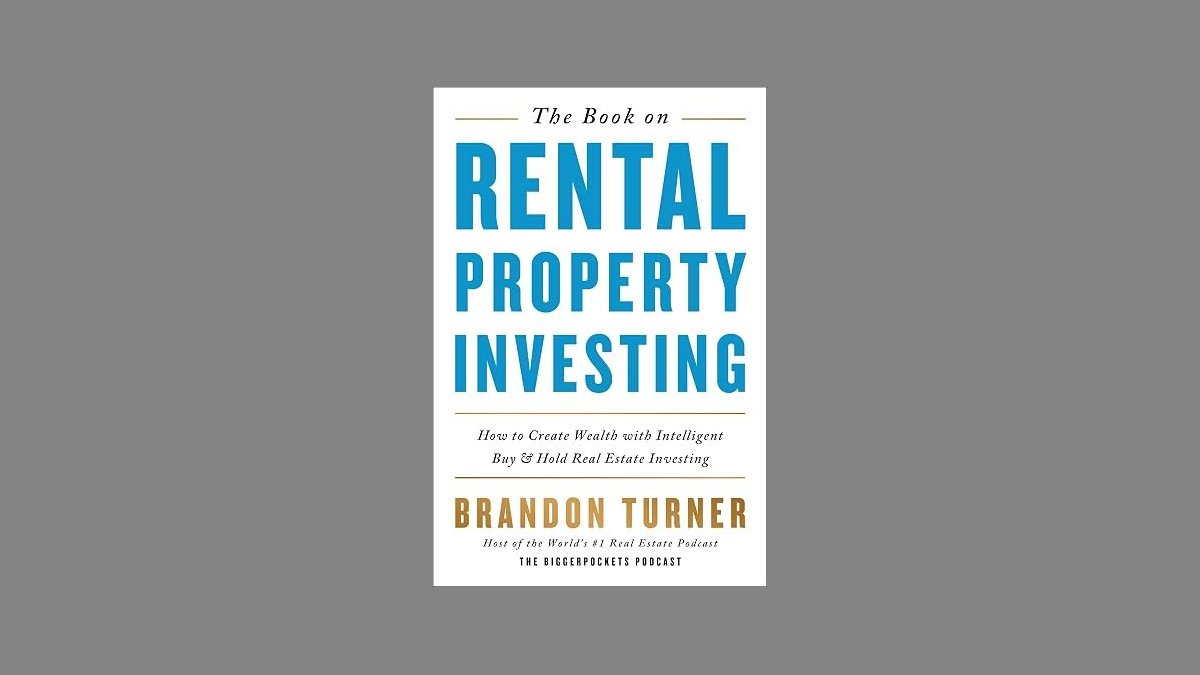
There’s no single best real estate book for beginners — there’s one that fits how you want to invest. The deciding facts are simple: do you want rentals and long-term wealth, do you have savings to invest, and do you want a mindset book or a step-by-step guide? These five don’t rank above each other; they cover different paths. Most buyers split between The Book on Rental Property Investing, which goes deep on buy-and-hold rentals, and How to Invest in Real Estate, which is written as a beginner’s first guide.
1. The Buy Hold Real Estate

Best for: the reader committed to building a rental portfolio.
Good if:
- You already know you want rentals, not flipping
- You want one book that stays on the buy-and-hold path
- You like guides that come from an established investing community
Skip it if:
- You haven’t decided between rentals and other strategies yet
The title tells you exactly where this book stands: it’s about creating wealth through intelligent buy-and-hold investing. That focus is its strength. If rentals are already your goal, a book that doesn’t wander into flipping or other strategies gives you more depth on the one path you’ll actually walk. Part of the BiggerPockets Rental Kit series, it also connects you to a larger community and further resources. The trade-off is the opposite side of the same coin — a reader still deciding how to invest may find it too committed too early. It’s not the book for someone who wants a survey of every possible strategy before choosing.
2. The ABCs Real Estate

Best for: a first-time buyer who wants fundamentals before strategy.
Good if:
- You want the basics explained from the ground up
- You’re drawn to finding value other investors miss
Skip it if:
- You want a modern, step-by-step beginner’s roadmap
The title promises secrets of finding hidden profits most investors miss, and the “ABCs” framing signals a fundamentals-first approach. For a beginner, that order matters: understanding how deals make money before learning any particular strategy.
That distinction shows up in practice. A reader who knows why a property is undervalued can judge any strategy they later encounter. A reader who starts with a strategy often applies it without knowing whether the deal underneath it’s any good.
The flip side is that a reader who wants a current, structured getting-started guide — with modern tools and a clear path from zero — may find this one assumes more than a total beginner brings to the table. It suits someone who likes learning principles and applying them their own way. If you would rather be told exactly what to do each week, pick a newer roadmap-style book instead.
3. The Millionaire Real Estate

Best for: the reader who wants the mindset and the big picture.
Good if:
- You want to understand how wealth is actually built
- You’re motivated by models and long-term thinking
- You want a book focused on the mindset and big picture of investing
Skip it if:
- You want quick, tactical steps for your first deal
Real estate investing framed as a path to wealth suits a reader who wants the big picture before any specific tactic, and for a beginner that view can prevent expensive early mistakes because you understand why a move works before you make it. The trade-off is that readers looking for a tactical checklist for their first purchase may finish it inspired but still unsure what to do Monday morning. It’s best paired with action, not read instead of it. If you already have momentum and just need strategy refinement, this is the wrong stage for it — it earns its place at the very start.
4. How Invest Real

Best for: a total beginner who wants a single, unambiguous place to start.
Good if:
- You’ve never invested and want the whole path laid out
- You want a guide that assumes no prior knowledge
- You want breadth before you pick a specialty
Skip it if:
- You already know your strategy and want advanced depth
The subtitle says it plainly: the ultimate beginner’s guide to getting started. That’s the whole job this book claims, and it’s the job most first-time buyers need done. Where the other titles commit to a strategy or a mindset, this one is built to take someone from zero to a decision. That breadth is also its limit — a reader who already knows they want buy-and-hold rentals will get more from a dedicated book on that path. But if you’re standing at the very beginning and every other title feels like it starts in chapter five, this is the one written for your exact position.
5. The Book Investing Real Estate

Best for: the reader with little savings who wants creative financing.
Good if:
- You want to invest without a large down payment saved
- You’re interested in using other people’s money
- You want creative strategies beyond the conventional route
Skip it if:
- You want a conventional, savings-based plan first
The title states its promise directly: creative strategies for investing using other people’s money, with no and low money down. For a beginner whose main obstacle is savings rather than knowledge, this aims exactly at that obstacle. As the first book in the BiggerPockets Rental Kit series, it’s positioned as an entry point. The honest trade-off: creative financing strategies carry more complexity and more risk than a conventional purchase, and a beginner should understand any deal thoroughly before signing it. It’s not the book for someone who wants the safest, most traditional path — it’s for someone who needs the money question answered first.
Where These Overlap
The two BiggerPockets titles — The Book on Rental Property Investing and The Book on Investing In Real Estate with No (and Low) Money Down — are close cousins from the same publisher and series. What decides between them is your situation: savings on hand points to the rental book, little savings points to the no-money-down one. The mistake is buying both at once; they cover overlapping ground, and reading two beginner books on the same subject delays the first deal rather than speeding it up.
The other three are genuinely different animals, so the choice depends on which kind of learner you are. If you want the mechanics — what to look for, what most investors miss — The ABCs of Real Estate Investing is the fit. If you need convincing that investing is possible for you, The Millionaire Real Estate Investor addresses that. And if you haven’t settled on a strategy at all, How to Invest in Real Estate is the broad first guide that helps you choose one.
Still Not Sure?
How often will I actually use this book?
If you’ll read it once and act, pick the most direct guide. How to Invest in Real Estate is built for exactly that: a beginner’s guide to getting started, read front to back and then put to work. If you’ll return to it as a reference while you build, The Book on Rental Property Investing works as a long-term companion for a buy-and-hold path. Be honest about your reading habit. The common mistake is buying three books, skimming all of them, and acting on none.
What do I already have to work with?
Your savings decide more than your ambition does. If you have a down payment saved, The Buy Hold Real Estate fits. If you don’t, The Book Investing Real Estate addresses that gap head-on with creative strategies — its subtitle is the tell: investing using other people’s money, with no and low money down approaches.
What am I most likely to regret?
Beginners most often regret acting on incomplete understanding. No book removes investment risk, so evaluate any deal thoroughly before you commit. For grounding first, The Millionaire Real Estate builds that understanding. The ABCs of Real Estate serves the same reader from a different angle: finding hidden profits most investors miss, which matters once you’re comparing actual deals rather than deciding whether to invest at all.