Advantages of Reading Fiction: 7 Proven Mental Health Benefits
Engaging with narrative storytelling offers more than just an escape from the daily grind. Many readers seek out the advantages of reading fiction because they intuitively feel that immersing themselves in imaginary worlds provides a mental refresh that differs significantly from consuming technical manuals or news reports. By stepping into the shoes of characters whose lives, choices, and environments diverge from our own, we expand our cognitive horizons and emotional reach. This practice acts as a form of mental exercise that strengthens the brain’s ability to process complex information and navigate social environments.
Key Takeaways
- Regular engagement with narrative texts improves your ability to infer the mental states of others.
- Immersive reading acts as a powerful stress reduction tool, lowering physical markers of tension.
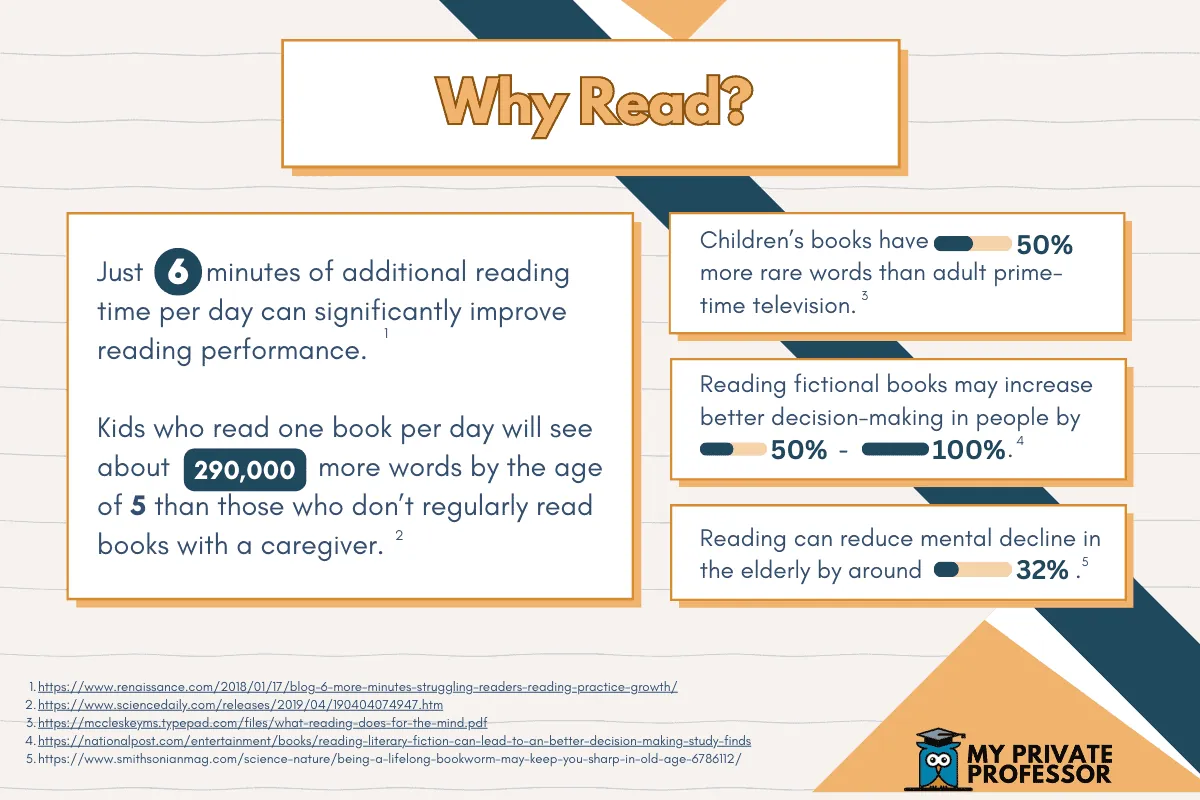
- Vocabulary acquisition is naturally accelerated through contextual exposure in diverse literary styles.
- Fiction reading promotes cognitive flexibility, allowing you to hold multiple perspectives simultaneously.
- Prioritizing 20 to 40 minutes of daily reading provides the most significant measurable benefits.
How Fiction Improves Social Intelligence
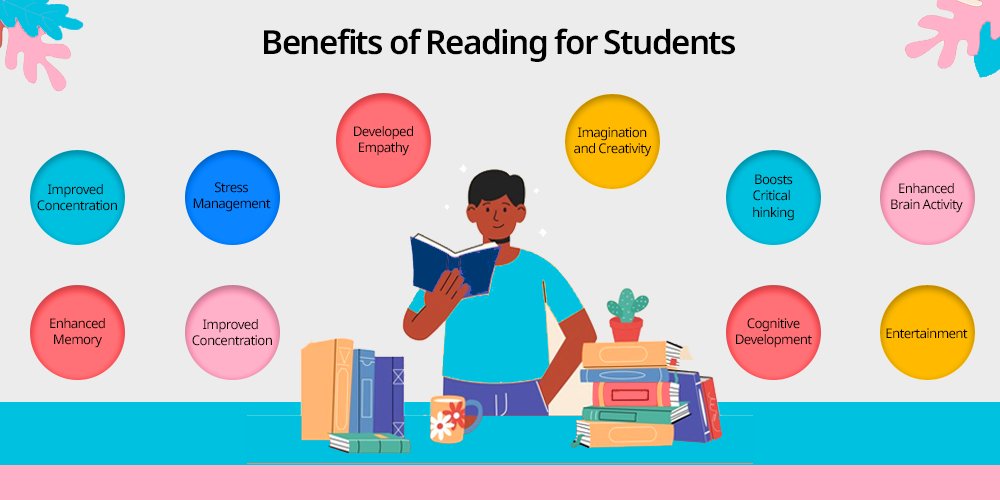
The primary mechanism behind social growth is the development of Theory of Mind, which is our capacity to understand that others hold beliefs, desires, and intentions different from our own. When you read a novel, your brain simulates the social interactions occurring on the page. This process mirrors the neural activity required to navigate real-world social cues.
Research published by The University of Rochester suggests that literary fiction specifically encourages readers to engage in the complex task of understanding character motivations, which correlates with higher scores on social cognition tests.
| Skill Area | Benefit of Fiction | Impact on Daily Life |
|---|---|---|
| Empathy | Viewing diverse perspectives | Improved conflict resolution |
| Social Cues | Reading character intentions | Better workplace communication |
| Patience | Following long-form arcs | Increased ability to listen |
Managing Stress Through Narrative Immersion
Reading serves as a highly effective stress management technique because it demands a specific type of focused attention that pushes intrusive thoughts to the periphery. Unlike scrolling through social media, which often fragments attention, deep reading requires you to maintain a mental model of the narrative. This state of “flow” helps regulate your breathing and heart rate.
- Select atmospheric genres like historical fiction or classic literature.
- Use physical books to reduce blue light exposure before sleep.
- Create a quiet environment free from digital notifications.
Pro Tip: If you find your mind wandering, try reading aloud for five minutes to anchor your focus back to the prose.
Advantages of Reading Fiction for Brain Health
The structural complexity of a well-written novel provides a sustained workout for your cognitive faculties. Keeping track of subplots, character names, and changing settings requires active working memory. Over time, this strengthens the neural pathways associated with memory retention and logical deduction.
Strengthening Your Memory
When you encounter a character, you’re essentially building a new social file in your brain. You must remember their backstory, their alliances, and their growth. This constant retrieval and updating of information prevents the mental stagnation that can occur during passive consumption of short-form content.
Expanding Your Vocabulary
Unlike academic or technical writing, which often repeats a limited set of domain-specific jargon, fiction uses a vast range of descriptive language. You encounter words in their natural habitat, which helps you understand nuance and connotation better than memorizing a dictionary list.
Comparison of Reading Formats
| Format | Cognitive Load | Accessibility | Portability |
|---|---|---|---|
| Hardcover Books | Low | High | Low |
| E-readers | Medium | Very High | Very High |
| Audiobooks | Low | Very High | Very High |
Why Fiction Boosts Creative Thinking
Exposure to narrative structures encourages divergent thinking, which is the ability to generate multiple solutions to a single problem. Because fiction often presents characters with impossible dilemmas or non-linear timelines, your brain becomes accustomed to considering alternatives. This flexibility is a hallmark of creative problem-solvers in fields ranging from engineering to marketing.
Warning: Don’t attempt to read while multitasking, as the brain can’t encode narrative complexity while simultaneously processing external stimuli like emails or video calls.
Building a Sustainable Reading Habit

To reap these rewards, you must treat reading as a non-negotiable appointment rather than a leisure activity to be squeezed into spare seconds. Consistency is the key to unlocking the long-term advantages of this habit.
- Set a specific time: Aim for 20 to 40 minutes before bed or during your morning commute.
- Curate your library: Keep a “to-read” pile of at least three books to ensure you always have a choice.
- Track progress: Use a simple log or a digital tracker to maintain momentum.
Selecting the Right Material
You don’t need to read dense, challenging classics to achieve these benefits. The most effective book is the one you actually finish. Start with genres you enjoy, such as:
- Contemporary literary fiction
- Speculative fiction and fantasy
- Historical mystery novels
- Short story collections
Does Fiction Enhance Your Focus?
In an era of hyper-connectivity, the ability to concentrate on a single task for extended periods is a rare and valuable skill. By training your brain to ignore the urge to check your phone or switch tabs, you’re actively increasing your attention span. The immersive nature of a story acts as a gateway to deep work, conditioning your mind to resist the constant pull of dopamine-driven digital interruptions.
When you finish a chapter, you have successfully completed a complex cognitive sequence. This builds a sense of accomplishment that simple consumption can’t match. The mental stamina developed through reading carries over into your professional life, allowing you to tackle difficult tasks with greater persistence and a clearer sense of direction.
Whether you’re navigating a complex project or managing a team, the lessons absorbed from the lives of characters—resilience, adaptability, and emotional intelligence—become part of your own toolkit for success. By committing to this practice, you aren’t just enjoying a story; you’re actively upgrading your mental hardware for a more demanding world.