Why Is Reading Books Important: Memory, Focus and Stress
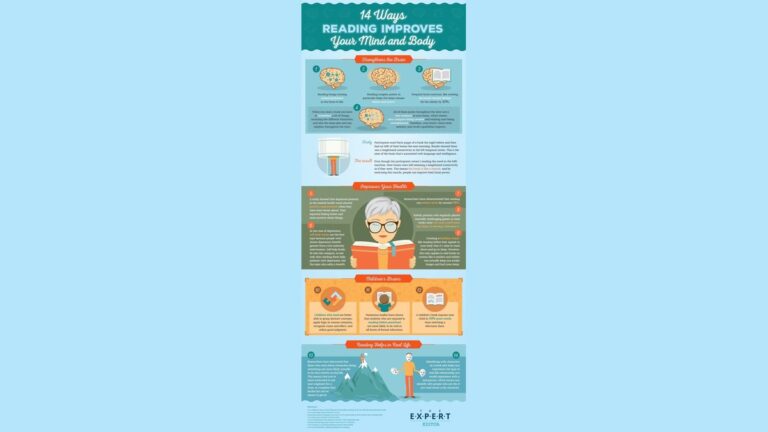
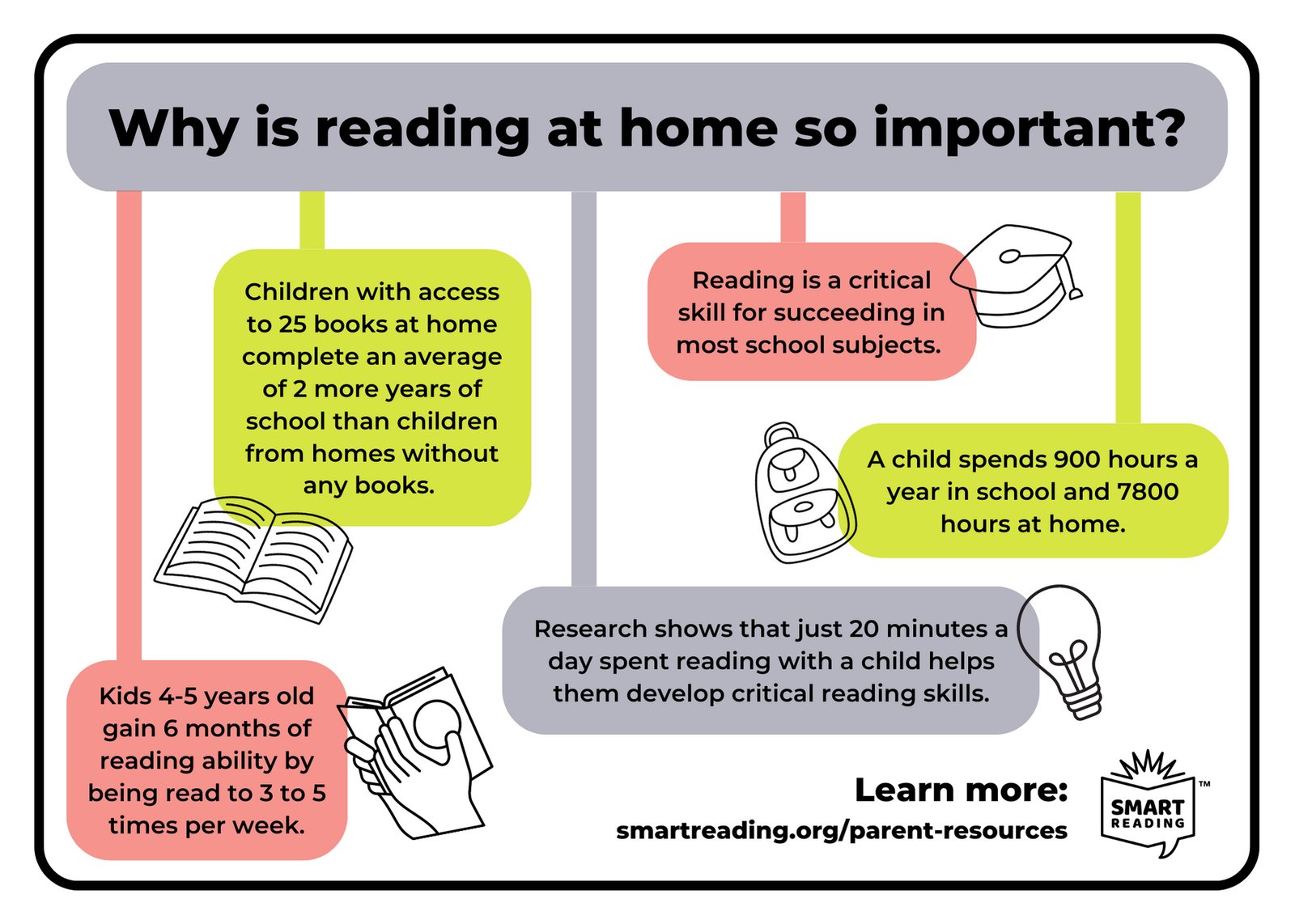
Reading books regularly strengthens memory, expands vocabulary, and lowers stress. The reason reading books is important comes down to how your brain reacts when you follow long text: it builds new connections between areas that handle language, focus, and emotion. Even 20 minutes a day gives you these benefits without requiring hours of free time.
What Actually Happens When You Read?
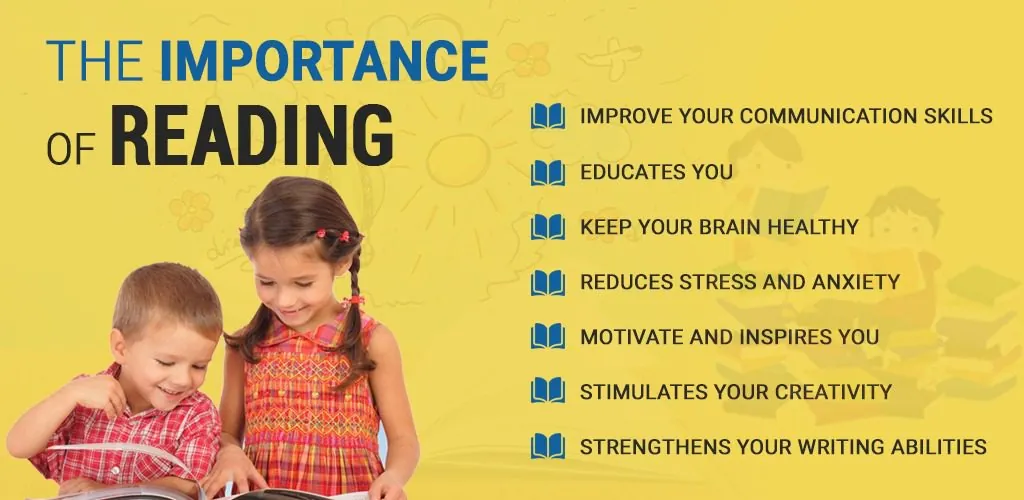
You get measurable changes in attention span, word knowledge, and emotional control. That’s the direct answer — sitting with a book forces your brain to track characters, hold facts in short-term memory, and decode sentences one after another. Doing this daily keeps those pathways active, while skipping it lets them weaken over months.
- Focus: Following a story trains you to ignore distractions for longer stretches than scrolling does.
- Vocabulary: You meet words in context, which helps you remember them better than flashcards.
- Stress: Slowing down to read drops your heart rate faster than listening to music or walking.
- Memory: Remembering plot details exercises the same parts of your brain used for daily tasks.
If you only read short posts online, you miss out on the sustained attention that printed pages demand. Your brain adapts to whatever format you feed it most often.
How Do I Know If My Reading Habit Is Working?
Yes, you can spot the signs within a few weeks if you stick to a daily routine. The easiest proof is noticing you understand articles faster or recall names without writing them down. If nothing changes after a month, you’re likely skimming instead of actually absorbing the text.
| Symptom | Most likely cause | What to do about it |
|---|---|---|
| Forgetting what you just read | Skimming pages too fast | Slow down and read out loud for one page |
| Feeling sleepy after two pages | Reading late at night | Switch to morning or afternoon sessions |
| Losing interest quickly | Picking books that are too hard | Drop down one reading level until you finish one |
| No new words learned | Sticking to the same genre | Alternate fiction with non-fiction every other week |
A habit only works when the material matches your current skill level. Pushing through a dense textbook when you haven’t read in years usually just leads to frustration.
Why Can’t I Focus Long Enough to Finish a Chapter?
Phones, noisy rooms, and choosing the wrong format are the usual culprits. You don’t need perfect silence to read, but you do need to remove the thing that pulls your eyes away every few minutes. Put your phone in another room before you open the book.
Does the format change how much my brain benefits?
Printed books build slightly stronger spatial memory because you physically turn pages and see how far along you are. E-readers work fine for convenience, but audiobooks don’t give you the same visual tracking exercise. Pick print if your main goal is improving focus; pick audio only if commuting is your sole free time.
Tip: Start with just 10 minutes a day and add five more once finishing that block feels effortless.
Don’t force yourself through a book you hate just because someone recommended it. Dropping a boring book early saves your motivation for one you’ll actually finish.
Are There Times When Reading Books Won’t Help?
It won’t fix underlying vision problems, severe attention disorders, or extreme fatigue. If your eyes hurt or the letters blur no matter the lighting, you’re dealing with a physical issue a book can’t solve. In those cases, getting an eye exam matters more than building a reading routine.
A common mistake is treating reading as a cure for burnout. When your exhaustion comes from chronic stress, forcing yourself through chapters often deepens the fatigue. Your brain needs rest, not another task disguised as relaxation. Sleep or quiet wakefulness will do more for your focus than any page.
People who struggle heavily with decoding words might find that standard reading causes more stress than relief. For them, graphic novels or large-print editions offer the same cognitive benefits without the barrier.
If you suspect a learning difference affects your ability to process text, ask a doctor or specialist for guidance rather than pushing through discomfort alone. Research from Harvard Health on reading benefits supports the idea that the activity itself drives the results, provided the format fits your needs.
Frequently Asked Questions
How many minutes a day should I read?
Aim for 20 minutes daily to see real improvements in focus and vocabulary. Anything less doesn’t give your brain enough time to settle into deep processing. You can split it into two 10-minute blocks if one long session doesn’t fit your schedule.
Does reading fiction help more than non-fiction?
Fiction builds empathy and emotional understanding slightly better because you live inside a character’s perspective. Non-fiction improves factual recall and problem-solving skills faster. Both formats strengthen your overall attention span equally well.
Can I get the same benefits from listening to audiobooks?
Audiobooks improve vocabulary and expose you to new ideas, but they don’t train visual focus. You still benefit from the story structure and language patterns. However, if your main goal is sharpening concentration, physical text works better.
Pick one short book you’ve been curious about and leave it on your pillow tonight so you see it before bed. Track how many pages you finish each day using a simple note on your phone. Adjust the difficulty next week based on whether today’s session felt easy or frustrating.