The Benefits of Reading Books: Focus, Memory and Stress Relief
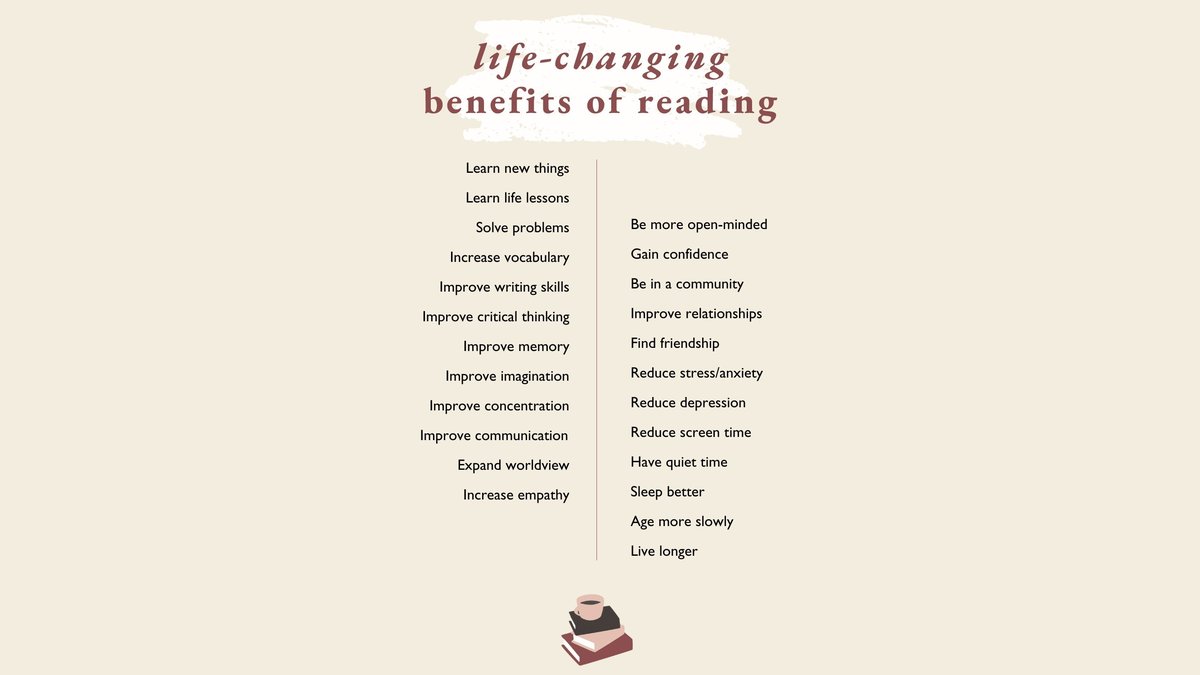
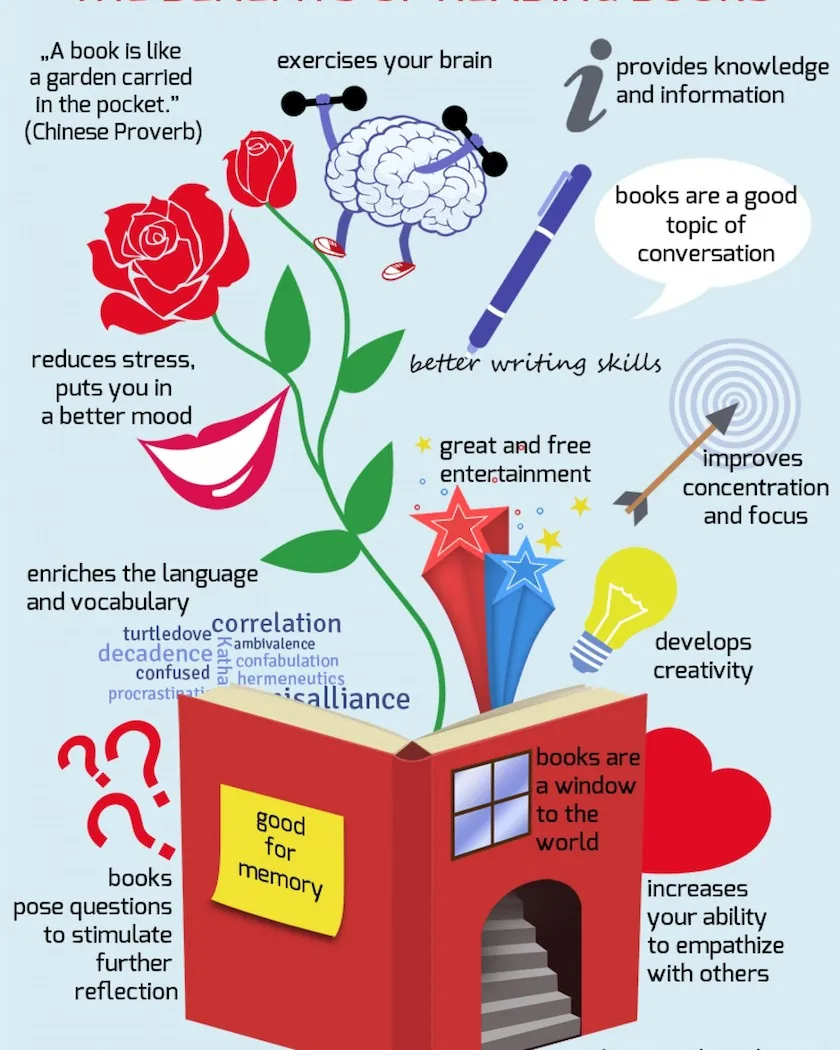
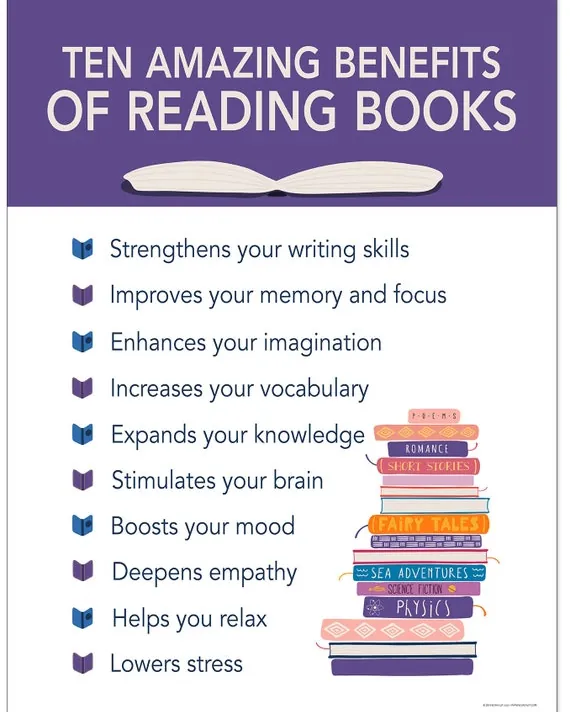
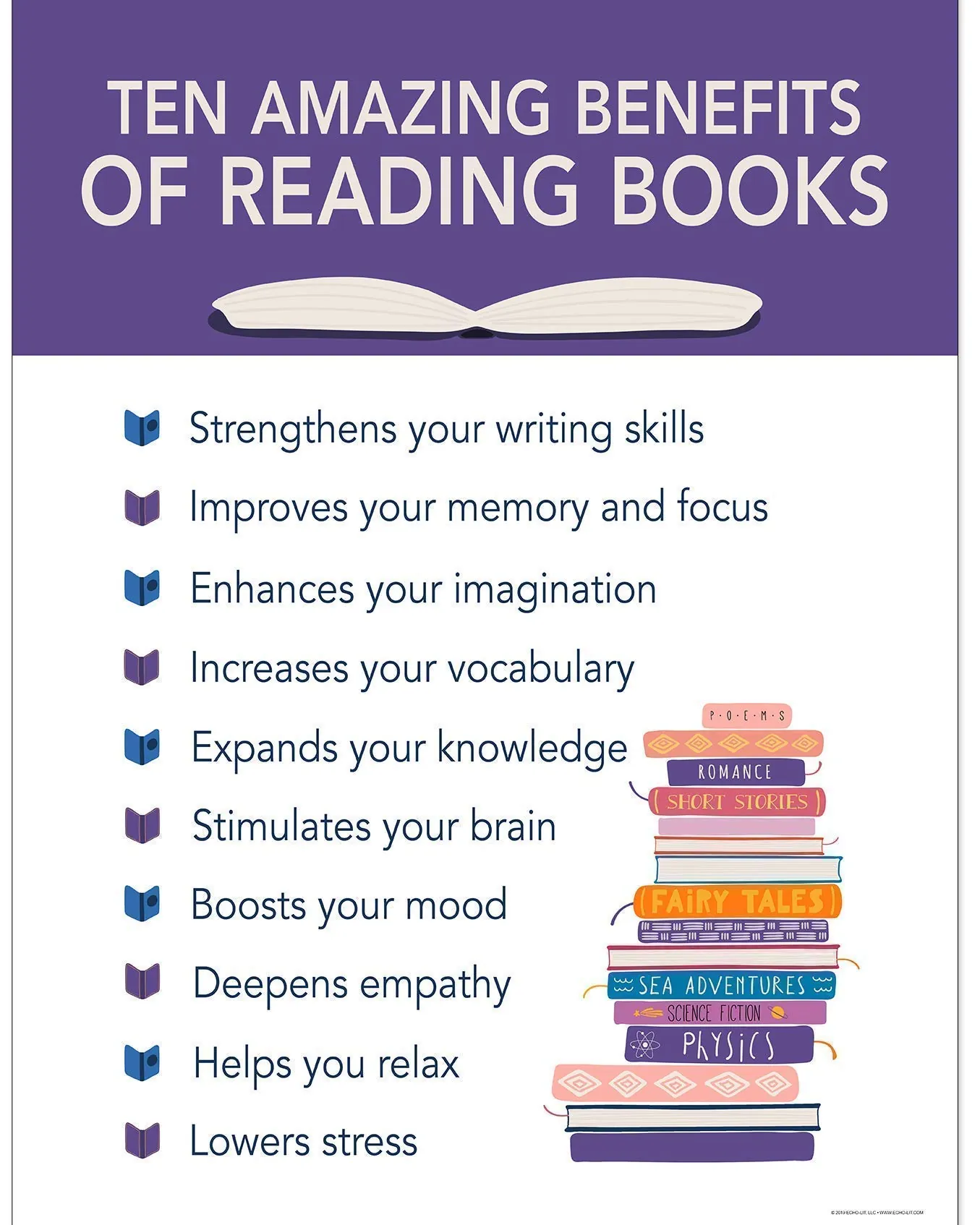
Fiction, nonfiction, poetry, graphic novels and audiobooks are the main ways people read today. They all share one thing: they change how your brain works over time. The benefits of reading books come down to focus, memory and stress relief. What separates them is how much effort each one asks from you.
Types of books and their benefits
Each format gives you something different depending on what you need right now. Here’s how the main ones compare at a glance.
| Book type | Best for | Concrete example |
|---|---|---|
| Fiction | Building empathy and focus | Reading The Great Gatsby before bed |
| Nonfiction | Learning specific skills fast | Studying Atomic Habits for routines |
| Poetry | Slowing down your thoughts | Reading Mary Oliver’s poems slowly |
| Graphic novels | Visual learners needing stories | Following Maus by Art Spiegelman |
| Audiobooks | Commuting or doing chores | Listening during a 30-minute drive |
Fiction builds empathy and focus
A novel puts you inside someone else’s life for hours at a time. It suits anyone who wants to understand other people better without leaving home.
- Keeps your attention on one thing for 20 minutes or more.
- Lowers stress when you read before sleep instead of scrolling.
- Builds vocabulary through context rather than memorizing word lists.
- Strengthens memory because you have to track characters across chapters.
If you want to relax after work, pick fiction; if you need to solve a problem, skip it. Read 15 pages of a paperback like To Kill a Mockingbird in a quiet chair with no phone nearby.
Nonfiction teaches practical skills directly
Nonfiction skips the story and gives you facts, methods or arguments you can use right away. It fits readers who want to fix a problem, learn a trade or change a habit within weeks.
- Delivers step-by-step instructions you can follow the same day.
- Provides evidence from named researchers instead of just opinions.
- Helps you explain hard topics to others using clear examples.
- Saves time when you only read the chapters that match your goal.
Unlike fiction, it doesn’t ask you to imagine another world. Open a book like James Clear’s Atomic Habits to page 30 and write down one rule you’ll test tomorrow morning.
Poetry slows your thinking down
Poetry uses fewer words than any other format to make you feel or see something new. It works well for readers who get tired of long chapters but still want depth.
- Forces you to read slowly, which calms a racing mind.
- Teaches you how word choice changes the weight of a sentence.
- Fits into small breaks since a single poem takes under five minutes.
This format won’t teach you how to build a business or repair an engine. You also need to accept that some lines won’t make sense immediately, and that confusion is part of the point. Pick one poem by Ada Limón, read it out loud twice, and sit with it for three minutes before moving on.
Graphic novels pair art with story
A graphic novel tells its story through panels of art alongside text. It serves readers who lose focus during long blocks of plain writing but still want complex plots.
- Uses images to carry meaning, so you process information faster.
- Covers heavy subjects like war or history without feeling like a textbook.
- Works as a bridge for younger readers moving toward longer formats.
Read a page from Art Spiegelman’s Maus and notice how the drawings show fear without spelling it out.
Other formats worth knowing
- Audiobooks let you absorb a full book while driving or cooking, ideal for people who can’t sit still for 20 minutes.
- Short story collections give you complete narratives in 10-page bursts, perfect for reading during a lunch break.
- Memoirs blend personal truth with narrative pacing, suited for readers who want real events told like a novel.
- Academic journals deliver peer-reviewed data for professionals who need exact figures, not general summaries.
- Children’s picture books rebuild basic vocabulary for adults learning English as a second language.
Picking the right book for your goal
Your daily schedule decides where to start. If you have 15 quiet minutes before bed, pick fiction for stress relief. If you commute 40 minutes each way, choose an audiobook so you don’t waste that time.
What you already struggle with matters too. Readers who lose focus quickly should try graphic novels or short stories first. Jumping straight into a 400-page history book costs you motivation when you quit by chapter two.
You can mix formats during the week, but don’t start three dense nonfiction books at once. Your retention drops when you split attention across too many arguments. Check the back cover or publisher’s summary to confirm the book matches your current need before buying it.
Starting your reading habit
Pick one book that matches your free time today and read just 10 pages. Choose a title you can finish in under three weeks to avoid losing momentum. You’ll know it’s working when you reach for it instead of your phone during a break.
Stop and ask a librarian or doctor for help if reading causes headaches or eye strain that doesn’t fade after resting. Don’t push through pain thinking it builds discipline, as this often creates an aversion to books entirely. Swap formats immediately if print causes discomfort rather than quitting the habit altogether.