The 3 Best Books to Read for Knowledge
As an Amazon Associate, we earn from qualifying purchases. This post contains affiliate links – if you buy through them, we may earn a commission at no extra cost to you.
There’s no single best book to read for knowledge. What decides it is what you actually want out of it: a book you’ll read once and think about, a book you’ll keep on the shelf and use as a reference, or a book you’ll leave on a table and open just to look at. Those are three different jobs, and the three books here do three different jobs. They differ in what they ask of you, not in how they rank above each other. The two that split most buyers are 12 Laws of the Universe, for a reader who wants ideas to chew on, and Massimo Listri: The World’s Most Beautiful Libraries, for a reader who wants a book to hold and look through.
| Best Choice | Runner Up | Also Great | |
| Preview |  |  |  |
|---|---|---|---|
| Product | 12 Laws of the Universe | The Knowledge: How to Rebuild | Massimo Listri: The World’s Most |
| More information | Check Price on Amazon | Check Price on Amazon | Check Price on Amazon |
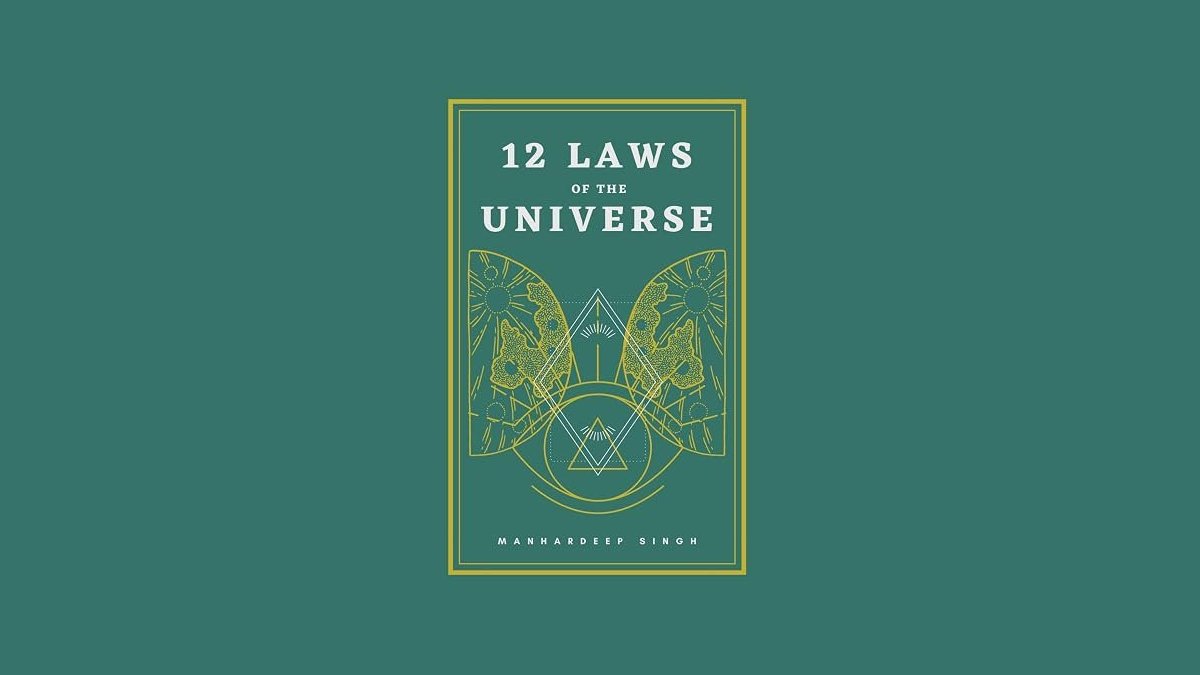
1. 12 Laws of the Universe
Best for: someone who reads a few pages a night and thinks about them
A reader who wants knowledge in small pieces has a different job in mind than someone building a shelf of reference works. They want ideas they can carry around, pick up for a short stretch, and put down without losing a thread. A book built around named principles suits that habit, because each one stands on its own.
The listing for 12 Laws of the Universe gives the title and nothing else, so the structure here is the whole of what’s on offer. The title is the whole of what the listing offers, and the count of twelve is the one structural fact it carries. If you want a book you can open at any page and get something from, that shape is doing the work for you. If you want depth on a single subject, twelve short units spread across twelve ideas won’t give it to you.
Twelve is a number worth pausing on. It sets the length of a sitting more than the length of the book does. One law a night is twelve nights, and you close the cover each time with something finished rather than something half-read.
The listing doesn’t mention what’s inside each unit, so that’s the trade to weigh before you buy.
The listing tells you the count and the shape, and nothing about the voice or the examples. Those you can’t learn from a page like this one.
Good if:
- You read in short sittings, a few pages at a time
- You like ideas you can turn over for a day before moving on
- You want a book you can start anywhere, not only at page one
Skip it if:
- You want a single subject covered in depth rather than a scattering of ideas touched on
- You want a book you’ll go back to for facts and figures
2. The Knowledge: How to Rebuild
Best for: someone who wants to know how ordinary things actually work
This is a book for the reader who keeps asking how the world underneath them functions. Not the theory of it, but the practical chain: how you get from raw material to something that works. That kind of reader wants steps and processes, and they want them in an order that builds.
The title tells you the frame: rebuilding civilization in the aftermath of a cataclysm. That frame is a device for walking through the knowledge that keeps a society running, from the ground up, in sequence.
What that means in practice is a book you read front to back rather than dip into, because each part leans on the one before it. It also means a reader who wants a light, quick read won’t get one here.
So the honest test is what you do with a book after you finish a chapter. If you close it and reach for the next thing, this isn’t it. If you close it and want the next step in the chain, because the chapter you just read set up the one after it, you’re the reader this was written for.
Good if:
- You want to understand processes, not just outcomes
- You’ll read it in order, over weeks, and let it build
- You like practical knowledge more than abstract ideas
Skip it if:
- You want something to flip through in spare minutes
- You want a book chosen for how it looks on a shelf
3. Massimo Listri: The World’s Most
Best for: someone who wants a large book to look through slowly
Some readers want knowledge they can see. A book of library interiors is for the person who learns by looking: at architecture, at scale, at how a room is put together. That reader doesn’t need a plot or an argument. They need the pictures to carry the book, and they need a volume they’ll want to open again.
The listing gives the format: 45th edition, multilingual. Multilingual matters if you read more than one language, or if you want to share the book with someone who does, because the text runs in several languages rather than one.
The listing gives the edition label and the multilingual format, and nothing about the size of the book. If you want the interiors legible at the scale they were built, that’s the detail to check before you buy. Shrink the page and the ceilings, the shelving, the length of the room all collapse into something you squint at.
It’s a book of library interiors, so a reader who wants text to carry the weight should look at the other two. The title names libraries, so the pictures are the point rather than an argument. If you pick it up expecting the text to do the work, you have the wrong book in your hands.
Good if:
- You learn best from images, not text
- You want a book to leave out and open with guests
- You read in more than one language, or share books with someone who does
Skip it if:
- You want a book to read cover to cover
- You want something small enough to carry with you
How to Pick Books Worth Reading for Knowledge
The overlap here is thin, and that’s the honest finding. These three barely compete for the same reader.
12 Laws of the Universe and The Knowledge: How to Rebuild both hand you ideas in sequence, but they split on pace. One is built for short sittings. The other wants a long read in order.
If you’re torn between those two, the question isn’t which is better. It’s whether you’ll actually sit down for a long stretch or grab a brief moment. Answer that and the choice makes itself.
Massimo Listri: The World’s Most Beautiful Libraries sits apart from both, because it’s a book you look at rather than read. That changes what you’re buying. With the other two, you’re buying time and attention. With this one, you’re buying something to return to in small doses.
So if you’re deciding between it and either of the others, you’re deciding between two different habits, not two versions of the same thing. Pick the habit you already have, not the one you’d like to have.
Still Not Sure?
How often will I really open this book?
Be honest about your week. If you read in short bursts, 12 Laws of the Universe fits that rhythm, because each of its units stands alone. If you can give a book an hour at a time over several weeks, The Knowledge: How to Rebuild rewards reading in order. Match the book to the time you actually have.
The test isn’t how the book reads on a good week. It’s how it reads on a normal one. Count the evenings you actually sit down with a book, then ask which of the three fits that number.
Do I want to read it or look at it?
This is the split that decides most buyers here. Massimo Listri: The World’s Most Beautiful Libraries is a multilingual book of library interiors, so it’s made for looking, not for reading cover to cover. If you want words to carry the book, pick one of the other two instead.
The multilingual edition matters if you buy it as a reading copy. The text is there to accompany the images, not to be the reason you open it.
What will I regret most about my pick?
Most people regret buying the book they meant to read rather than the one they actually will. If you know you won’t sit for long stretches, The Knowledge: How to Rebuild will sit unopened. If you know you won’t return to a book of images, Massimo Listri: The World’s Most Beautiful Libraries is the wrong shelf for you.
There’s a third case, and it’s the quiet one. If you can’t say which of the two readers you are, buy the book you’ll open tonight. That’s the only answer that survives the first week.
Frequently Asked Questions
Is The Knowledge: How to Rebuild Civilization in the Aftermath of a Cataclysm a book you read in order?
The title sets up a rebuild from the ground up, and the listing gives no detail beyond that. If you prefer to open a book at any page, 12 Laws of the Universe suits that habit better, since its units each stand on their own.
What does the 45th edition mean on Massimo Listri: The World’s Most Beautiful Libraries?
It’s the edition label the listing carries, and it sits alongside a multilingual format. What that tells you is that the text appears in more than one language, which matters if you read in several or want to share the book. It’s a book of library interiors meant for looking through.
Are these books good for someone who hasn’t read this kind of book before?
All three work as a first purchase, but they ask different things. 12 Laws of the Universe is the easiest to start, because short units forgive gaps between readings. The Knowledge: How to Rebuild asks for patience and order. Massimo Listri: The World’s Most Beautiful Libraries asks only that you enjoy looking.
Can I read these books on a screen instead?
That’s a choice about format, not about the titles. The listing presents it as a 45th edition multilingual volume. For text-led reading, the format matters far less than whether you’ll actually sit down with it.




One Comment