Best Books About OCD to Help You Overcome Intrusive Thoughts
Living with OCD can feel like a never-ending battle inside your own mind. You might find yourself stuck in scary, unwanted thoughts that won’t go away.
It’s frustrating and exhausting. But finding the right book can change everything. The right guide offers clear steps and comfort, making daily life easier to handle. It helps you understand your thoughts and teaches you ways to manage them. If you’ve been searching for support, you’re in the right place.
Below, you’ll discover some of the best books about OCD that truly help people take back control. These books have helped many find peace and hope. Keep reading to find the one that might be just right for you.
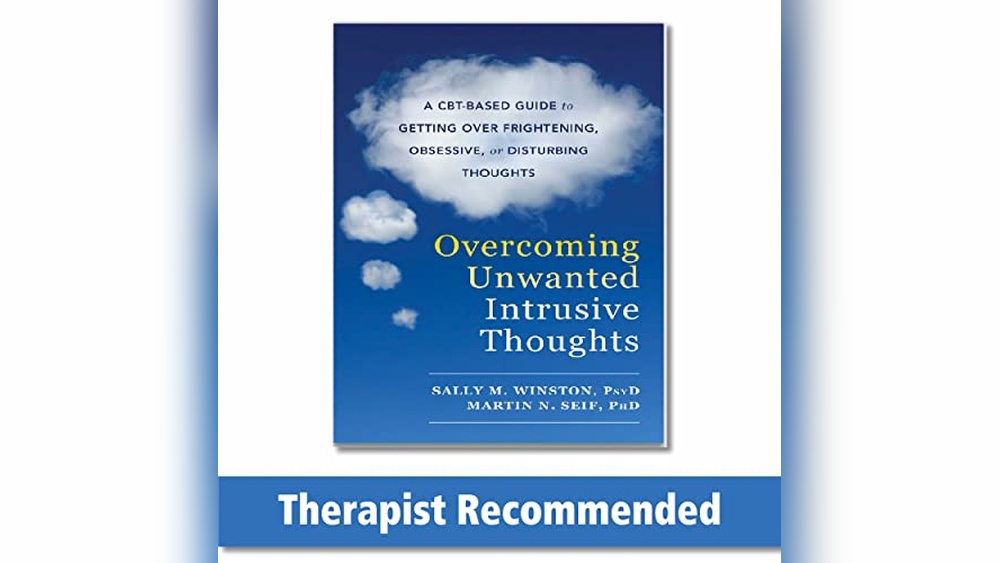
Overcoming Unwanted Intrusive Thoughts

Ideal for individuals struggling with frightening, obsessive, or disturbing thoughts, this guide is perfect for those seeking practical strategies to manage and overcome unwanted intrusive thoughts using a proven CBT-based approach. Whether you are dealing with anxiety, OCD, or related mental health challenges, this book offers clear, compassionate guidance to help regain control of your mind.
Pros:
- Provides a clear and accessible CBT-based framework for managing intrusive thoughts
- Includes illustrated examples to enhance understanding
- Compact and lightweight design makes it easy to carry and reference
- Published by the reputable New Harbinger Publications known for mental health resources
- Practical exercises that can be applied immediately to daily life
Cons:
- Relatively brief with 192 pages, which may not cover all aspects in-depth
- Focuses primarily on CBT, which might not suit users preferring other therapeutic approaches
This illustrated edition of “Overcoming Unwanted Intrusive Thoughts” offers readers a concise yet effective toolkit grounded in Cognitive Behavioral Therapy principles. Its manageable size—measuring 8.75 inches in height and weighing just over half a pound—makes it an ideal companion for those looking to work on their mental health on the go. The book’s structure helps users identify and challenge their intrusive thoughts, reducing their distress and frequency over time.
By combining practical exercises with clear explanations, the guide empowers users to develop healthier thinking patterns and improve their overall well-being. The publication date of 2017 ensures that the content reflects contemporary psychological insights, making it a valuable resource for anyone aiming to break free from the grip of obsessive or disturbing thoughts.
Brain Lock

Brain Lock, Twentieth Anniversary Edition is ideal for individuals struggling with Obsessive-Compulsive Disorder (OCD) or those seeking effective strategies to manage obsessive-compulsive behaviors. This book is also valuable for mental health professionals and caregivers who want to better understand OCD and provide support to affected individuals. If you are looking for a well-researched, practical guide to help free yourself or a loved one from the grips of OCD, this edition is a perfect choice.
Pros:
- Comprehensive and accessible explanation of OCD and its mechanisms
- Step-by-step self-help program based on cognitive-behavioral therapy (CBT)
- Written by a leading expert with decades of experience
- Anniversary edition includes updated insights and additional resources
- Compact and easy-to-carry size with 272 informative pages
Cons:
- May require commitment and patience to follow the program fully
- Not a substitute for professional therapy in severe cases
- Some readers might find the clinical language challenging without prior knowledge
This Anniversary Edition of Brain Lock offers an in-depth exploration of Obsessive-Compulsive Behavior, backed by scientific research and practical approaches. The author presents a clear, structured method to identify and change the thought patterns that trigger OCD symptoms, making the content both educational and empowering. The book’s manageable dimensions and weight make it convenient for readers to carry and reference anytime.
The inclusion of a detailed self-help program based on cognitive-behavioral therapy provides readers with actionable steps to regain control over their minds. By working through the exercises and understanding the nature of OCD, users can experience significant relief from compulsive behaviors. Overall, this edition is a valuable resource for anyone committed to overcoming OCD and improving their mental health.
The Mindfulness Workbook For Ocd

The Mindfulness Workbook for OCD is ideal for individuals who are struggling with obsessions and compulsions and are seeking a practical, evidence-based approach to manage their symptoms. This workbook is particularly suitable for those who want to integrate mindfulness techniques with Cognitive Behavioral Therapy (CBT) strategies to gain better control over their intrusive thoughts and behaviors. Whether you are new to therapy or looking to complement ongoing treatment, this guide offers valuable tools for personal growth and symptom relief.
Pros:
- Combines mindfulness and CBT approaches specifically for OCD.
- Provides clear, step-by-step exercises and worksheets.
- Published by a reputable source, New Harbinger Publications.
- Comprehensive content spread over 232 pages.
- Practical and user-friendly second edition updated in 2020.
Cons:
- May require commitment and consistency to see benefits.
- Not a substitute for professional therapy in severe cases.
- Physical dimensions may make it less portable for some users.
This workbook offers a unique blend of mindfulness practices and CBT techniques designed specifically to address the challenges of Obsessive-Compulsive Disorder. By guiding users through exercises that promote awareness and acceptance of intrusive thoughts, it helps reduce the intensity and frequency of compulsions. The structured format allows readers to work at their own pace, making it accessible for those with varying degrees of OCD severity.
Additionally, the workbook’s detailed instructions and practical worksheets empower users to develop personalized coping strategies. The focus on mindfulness encourages present-moment awareness, which can disrupt the cycle of obsession and compulsion. With its foundation in evidence-based methods and a reputable publisher like New Harbinger Publications, this guide is a valuable resource for anyone committed to overcoming OCD.
The Ocd Workbook

The OCD Workbook: Your Guide to Breaking Free from Obsessive-Compulsive Disorder is ideal for individuals who are struggling with OCD symptoms and seeking a practical, self-help approach to managing and overcoming the disorder. It is especially suitable for those who prefer a structured, workbook-style guide that they can use independently or alongside professional therapy. This book is also beneficial for family members and caregivers who want to understand OCD better and support their loved ones effectively.
Pros:
- Comprehensive and easy-to-follow exercises designed to target OCD symptoms.
- Written by trusted publisher New Harbinger Publications with expertise in mental health.
- Includes 352 pages of detailed content and practical strategies.
- Compact size with dimensions of approximately 10 by 8 inches, making it portable and user-friendly.
- Suitable for self-paced learning and can complement professional treatment plans.
Cons:
- Publication date is from 2010, so some techniques may not include the latest research findings.
- Workbook format may not suit those who prefer purely informational or narrative-style reading.
- Requires self-motivation and discipline to complete exercises effectively.
This third edition workbook offers a well-structured approach to understanding and managing Obsessive-Compulsive Disorder. Its layout guides users through various cognitive-behavioral therapy (CBT) techniques, including exposure and response prevention (ERP), which is considered the gold standard in OCD treatment. By working through the exercises, readers can develop personalized coping strategies that help reduce anxiety and compulsive behaviors in daily life.
The book’s detailed content, spanning over 350 pages, provides in-depth explanations paired with practical worksheets that encourage active participation. This hands-on approach empowers users to track their progress and build resilience over time. Additionally, the physical dimensions and weight make it convenient to carry around, supporting consistent use. Overall, this workbook is a valuable resource for anyone committed to breaking free from OCD and improving their mental health.
Letting Go Of Ocd

Letting Go of OCD: Overcoming Intrusive Thoughts, Reducing Anxiety, and Reclaiming Your Life is ideal for individuals struggling with Obsessive-Compulsive Disorder (OCD) who are seeking practical strategies to manage intrusive thoughts and reduce anxiety. This book is perfect for those who want to regain control over their lives and improve mental well-being through evidence-based methods.
Pros:
- Provides clear, actionable techniques for managing intrusive thoughts and anxiety.
- Written by OCD Space, Inc., a reputable source in OCD treatment.
- Compact size with 280 pages makes it easy to carry and reference.
- Includes up-to-date approaches published in 2026, reflecting the latest research.
- Helps readers reclaim their lives through practical mental health advice.
Cons:
- May not replace professional therapy for severe OCD cases.
- Focuses primarily on cognitive and emotional strategies, less on medication.
- Some readers might find the scientific aspects challenging without prior knowledge.
This book offers a comprehensive look at the nature of OCD and how intrusive thoughts can be understood and managed effectively. Its detailed explanations help readers recognize the patterns of their anxiety and provide tools to confront these challenges head-on. The manageable size and well-structured content make it accessible for daily use, encouraging consistent practice of the strategies outlined.
By emphasizing both the psychological and practical aspects of overcoming OCD, the book empowers users to reduce their anxiety and improve their quality of life. The insights into reclaiming personal freedom from obsessive thought cycles serve as a motivational guide, fostering resilience and self-awareness. Overall, it is a valuable resource for anyone committed to overcoming OCD and enhancing mental health.
Frequently Asked Questions
What Books Help With Overcoming Ocd Intrusive Thoughts?
Books like *Overcoming Unwanted Intrusive Thoughts* and *Letting Go of OCD* offer CBT and mindfulness strategies. They guide readers to manage and reduce frightening or obsessive thoughts effectively.
Which Book Is Best For Understanding Ocd Behaviors?
*Brain Lock, Twentieth Anniversary Edition* is highly recommended. It explains OCD’s nature and offers a step-by-step plan to free yourself from compulsive behaviors.
How Does Mindfulness Help In Treating Ocd?
*The Mindfulness Workbook for OCD* combines mindfulness with CBT techniques. It helps individuals become aware of their thoughts and reduce compulsive reactions.
Can Workbooks Aid In Managing Ocd Symptoms?
Yes, *The OCD Workbook* provides practical exercises and tools. It helps users break free from OCD by applying cognitive-behavioral methods consistently.
What’s The Focus Of “letting Go Of Ocd”?
This book focuses on overcoming intrusive thoughts and reducing anxiety. It offers strategies to reclaim life from OCD’s grip through evidence-based techniques.
Conclusion
These books offer helpful tools for understanding and managing OCD. They explain how thoughts and behaviors affect daily life. Using simple methods like CBT and mindfulness can reduce stress and obsessive habits. Each book gives practical steps to face fears without feeling overwhelmed.
Reading them can build hope and confidence in recovery. You don’t have to struggle alone. With patience and effort, change is possible. These guides support you on the path to feeling better. Choose the one that fits your needs and start small.
Progress takes time, but every step matters. Remember, learning about OCD is the first step toward healing.